How to Grow a Balcony Garden
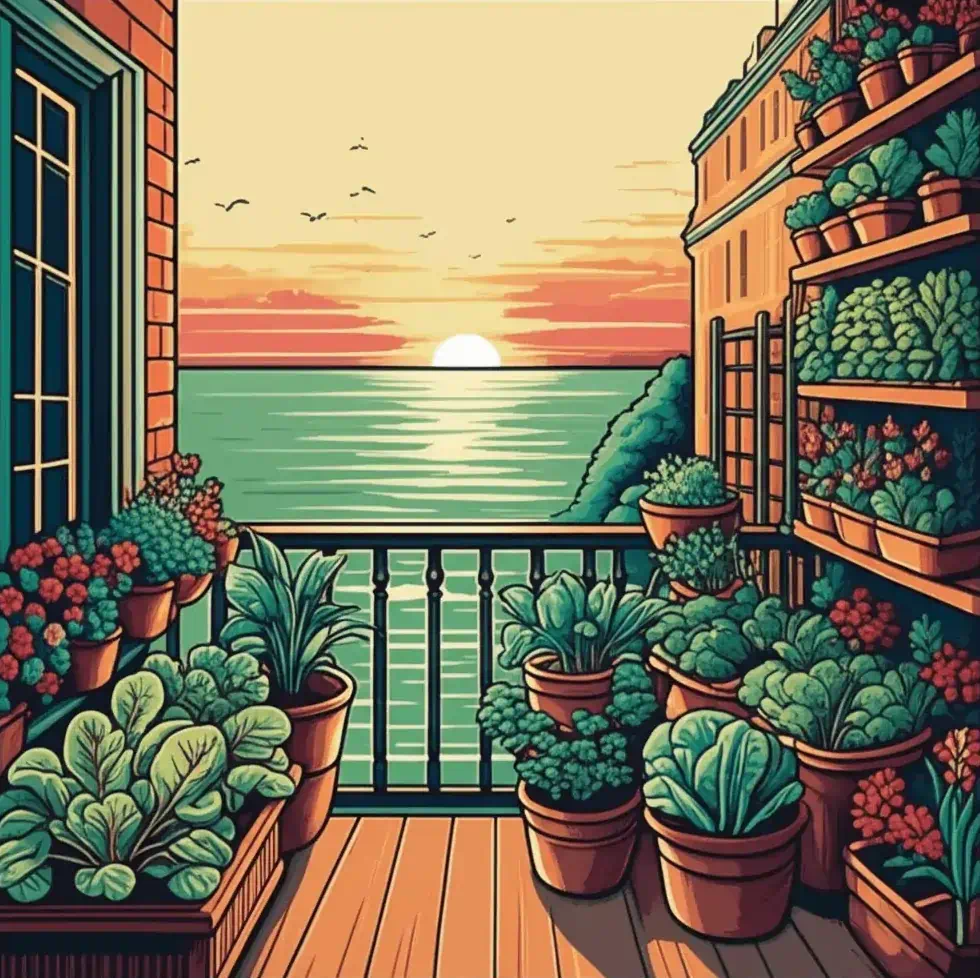
Whether you have a sprawling terrace or a cozy apartment balcony, you have more growing space than you might think. Container gardening has exploded in popularity, and for good reason — with the right setup, you can grow herbs, vegetables, flowers, and even small fruits just a few steps from your kitchen. Let's dig in!
Getting Started: Know Your Space
Before you buy a single seed or pot, take a moment to assess your balcony:
- Sunlight: How many hours of direct sun does your balcony get? Most vegetables and herbs need 6–8 hours. Shadier spots can still support lettuce, spinach, mint, and ferns.
- Weight limits: Soil and water are heavy. Check your building's balcony weight restrictions, and opt for lightweight potting mixes when possible.
- Wind: High-rise balconies can be surprisingly windy. Stake taller plants and consider a trellis or railing planter as a windbreak.
- Water access: Is there a spigot nearby, or will you be carrying a watering can? Plan accordingly.
Choosing Your Containers
This is where the fun begins! There's no single "right" container — each option has its own strengths, and many gardeners mix and match.
🪣 Food-Safe 5-Gallon Buckets
Don't overlook this humble hero of the balcony garden. Food-safe 5-gallon buckets — the kind often available at hardware stores, bakeries, or restaurant supply shops — are affordable, durable, and surprisingly versatile.
What to grow: Tomatoes, peppers, cucumbers, potatoes, and dwarf varieties of squash all do wonderfully in a 5-gallon bucket.
Tips for success:
- Always use food-safe buckets (look for the fork-and-glass symbol or the recycling code #2 HDPE on the bottom). Non-food-safe plastics can leach harmful chemicals into your soil and plants.
- Drill 4–6 drainage holes in the bottom before planting.
- Paint the outside of dark-colored buckets white or light gray to reflect heat and keep roots from overheating in the summer sun.
- They stack easily when not in use, making off-season storage a breeze.
Cost: Typically $3–$6 each — hard to beat!
🌱 Fabric Grow Bags
Fabric grow bags have become a favorite among experienced container gardeners, and once you try them, you'll understand why.
What to grow: Nearly anything! Fabric bags come in sizes ranging from 1 gallon to 100+ gallons. Use smaller bags (1–3 gallon) for herbs and lettuces, medium bags (5–10 gallon) for tomatoes and peppers, and larger bags for root vegetables or even dwarf fruit trees.
Tips for success:
- The breathable fabric naturally air-prunes roots, which prevents the roots from circling and becoming root-bound. This leads to healthier, more productive plants.
- They drain excellently, which means you may need to water more frequently than with traditional pots — especially in hot weather.
- Look for bags made from BPA-free, food-safe felt or nonwoven fabric.
- At the end of the season, empty them out, shake off the soil, and toss them in the washing machine. They store flat, taking up almost no space.
Cost: Typically $1–$5 per bag depending on size.
🏺 Traditional Pots
Classic clay, terracotta, ceramic, or plastic pots are a timeless choice for balcony gardening, and they bring an undeniable charm to your outdoor space.
What to grow: Herbs, flowers, dwarf citrus, strawberries, and greens all look beautiful and thrive in traditional pots.
Tips for success:
- Terracotta and clay pots are breathable and beautiful but can dry out quickly and are prone to cracking in frost. They're also heavier, so factor that into your weight budget.
- Ceramic pots with a glaze hold moisture better than unglazed terracotta. Just make sure they have drainage holes — not all decorative pots do!
- Plastic pots are lightweight, retain moisture well, and are inexpensive. Modern options come in styles that convincingly mimic terracotta or stone.
- Add a saucer under each pot to catch runoff and protect your balcony floor — but don't let water pool in the saucer for too long, as it can cause root rot.
- Group pots together to create a microclimate with slightly higher humidity, which many plants appreciate.
Cost: Widely variable — from $2 for a basic plastic pot to $50+ for a large decorative ceramic.
🌿 Planters and Window Boxes
Long, rectangular planters and window boxes are a balcony gardener's secret weapon for maximizing space. They work beautifully mounted on railings, lined up along walls, or used as a living divider.
What to grow: Herbs, lettuce, radishes, green onions, strawberries, pansies, and cascading flowers like petunias or nasturtiums are perfect for planters.
Tips for success:
- Railing planters hook directly onto balcony railings and free up precious floor space entirely. Make sure they're securely fastened — a full planter can be surprisingly heavy.
- Use a lightweight potting mix (not garden soil!) in window boxes, as they can get heavy when watered.
- Plant in layers — taller herbs or upright plants in the back, compact plants in the middle, and trailing varieties along the front edge for a lush, full look.
- Self-watering planters with a built-in reservoir are a fantastic upgrade if you travel or tend to forget to water.
Cost: $10–$60 depending on size and material.
Soil and Fertilizer: The Foundation of Success
No matter which container you choose, the soil inside it matters enormously.
- Always use a quality potting mix, not garden soil. Garden soil compacts in containers and can harbor pests or diseases. Look for a mix that includes perlite or vermiculite for drainage.
- Container plants are heavy feeders because nutrients wash out with every watering. Feed your plants with a balanced liquid fertilizer every 1–2 weeks during the growing season, or mix a slow-release granular fertilizer into your potting mix at planting time.
Watering Wisely
Containers dry out much faster than garden beds, so consistent watering is key.
- Check moisture daily by sticking your finger about an inch into the soil. If it's dry, it's time to water.
- Water deeply until it drains from the bottom — light, frequent watering encourages shallow roots.
- Consider a drip irrigation system or self-watering containers if you're a frequent traveler or a forgetful waterer.
Great Plants for Balcony Gardens
Not sure what to grow? Here are some foolproof picks:
| Category | Great Choices |
|---|---|
| Herbs | Basil, mint, chives, parsley, thyme, rosemary |
| Vegetables | Cherry tomatoes, peppers, lettuce, kale, radishes |
| Fruits | Strawberries, dwarf blueberries, compact citrus |
| Flowers | Marigolds, petunias, nasturtiums, lavender |
Final Tips for a Thriving Balcony Garden
- Start small. It's better to have a few thriving containers than a dozen struggling ones.
- Label your plants. It sounds simple, but you'll thank yourself later!
- Companion plant where you can — marigolds deter pests, and basil planted near tomatoes can improve their flavor.
- Enjoy the process. Balcony gardening is as much about the joy of tending living things as it is about the harvest.
With a little planning and the right containers, your balcony can become a lush, productive, and deeply satisfying little garden. Happy growing! 🌿