How to Create a Community Garden
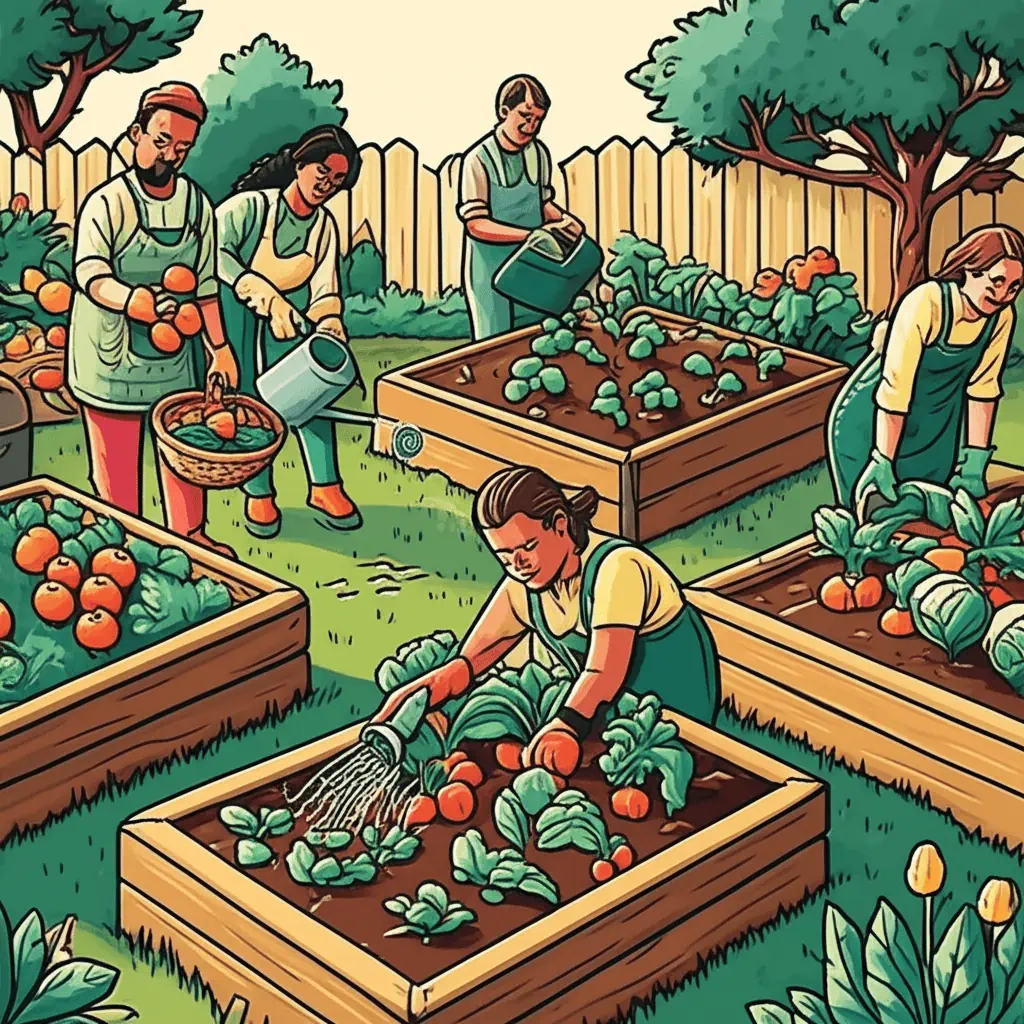
Imagine a vacant lot transformed into a vibrant, living space where neighbors gather, children learn where food comes from, and fresh vegetables grow where weeds once stood. That's the quiet magic of a community garden — and the best part is that anyone with enough passion and persistence can help make one happen.
Whether you're dreaming of a neighborhood vegetable garden, a shared herb space, or a full-scale urban farm, this guide will walk you through why community gardens matter, how to get one off the ground, and how to navigate the very real challenges that come with the territory.
Why Create a Community Garden?
Before you start making phone calls and drawing up plans, it helps to understand the powerful ripple effect a community garden can have. These spaces are rarely just about growing food — they're catalysts for something much bigger.
🥦 Improved Access to Fresh Food
Many neighborhoods — particularly in urban areas — are classified as food deserts, where access to fresh, affordable produce is severely limited. A community garden can meaningfully address this gap, putting nutritious food directly in the hands of the people who grow it.
🤝 Stronger Community Bonds
There's something about working alongside neighbors in the dirt that breaks down social barriers faster than almost anything else. Community gardens become gathering places where people of different ages, backgrounds, and cultures find common ground — sometimes literally.
🧠 Education and Skill Building
Gardens are living classrooms. Children learn biology, ecology, math, and patience. Adults discover new cooking techniques and gardening skills. Seniors share generational knowledge about growing and preserving food. Everyone learns something.
🌍 Environmental Benefits
Community gardens contribute meaningfully to local ecosystems. They reduce the urban heat island effect, support pollinators like bees and butterflies, improve soil health, reduce stormwater runoff, and sequester carbon. A garden is one of the most environmentally positive things a community can create.
🧘 Mental Health and Wellbeing
Research consistently shows that time spent gardening reduces stress, anxiety, and depression. Shared green spaces give people a reason to go outside, move their bodies, and connect with living things — all of which contribute to better mental health outcomes for the whole neighborhood.
💰 Economic Value
Community gardens can raise surrounding property values, reduce city maintenance costs on neglected lots, and save participating families significant money on their grocery bills. They're a surprisingly strong economic investment for a community.
Steps to Creating a Community Garden
Getting a community garden from idea to reality is a journey that takes planning, patience, and people. Here's how to do it well.
Step 1: Gauge Community Interest
Every great community garden starts with people, not plants. Before anything else, you need to know whether your neighbors are as excited about this idea as you are.
- Talk to people. Have conversations at local events, post in neighborhood Facebook groups or Nextdoor, or simply knock on some doors. Gauge the level of interest and listen to what people would want from a shared garden space.
- Host an informal meeting. Gather interested community members together — even just a dozen people around someone's kitchen table — to share ideas and identify who's willing to be involved.
- Identify your core team. You'll need a small group of committed, enthusiastic people to carry this project forward. Look for folks with a mix of skills — organizers, communicators, people with gardening knowledge, and anyone with connections to local government or businesses.
A garden built on genuine community enthusiasm is far more likely to thrive than one driven by a single person's vision. Listen as much as you talk in these early stages.
Step 2: Find and Secure Land
This is often the most challenging logistical step, but it's far from impossible. Land for community gardens can come from a variety of sources.
- Municipal land. Many cities have programs specifically designed to make unused public land available for community gardens. Contact your city council representative, parks department, or local planning office to find out what's available and what the process looks like.
- Private landowners. Vacant lots owned by private individuals or businesses are sometimes available for community use, especially if the owner is motivated by goodwill, a tax benefit, or simply the desire to see an eyesore cleaned up. A well-written proposal goes a long way here.
- Schools and churches. Educational institutions and religious organizations frequently have underutilized green space and may be enthusiastic partners, especially if the garden aligns with their community mission.
- Existing parks. Some municipalities allow community gardens within public parks. Check with your local parks and recreation department.
Once you've identified a potential site, assess it carefully:
- How much sunlight does it get? (Aim for 6–8 hours of direct sun.)
- Is there access to water?
- What's the history of the land? Has it ever been used industrially? If so, soil testing for contaminants like lead or heavy metals is essential before growing food.
- Is there vehicle access for deliveries of soil, mulch, and supplies?
- Is it accessible to people with mobility challenges?
Get everything in writing. Whether you're working with the city or a private owner, secure a formal agreement — ideally a multi-year lease — before investing time and money into the space. A handshake deal is not enough.
Step 3: Form an Organizational Structure
A community garden without clear organization tends to drift into confusion and conflict. Before you plant a single seed, establish how your garden will be governed.
- Choose a legal structure. Many community gardens operate as informal groups under a fiscal sponsor (like a neighborhood association or nonprofit). Others incorporate as their own nonprofit organization, which opens doors to grants and formal funding. Decide what makes sense for your group's size and ambitions.
- Establish leadership roles. At minimum, you'll want a coordinator or garden manager, a treasurer to handle finances, and a communications lead. Rotate these roles periodically to prevent burnout and share ownership.
- Write a simple governance document. This doesn't need to be intimidating — even a one-page document outlining how decisions are made, how disputes are resolved, and what the process is for joining or leaving the garden is enormously valuable.
- Create a membership or plot agreement. This is the document each gardener signs when they join. It should outline their responsibilities, the rules of the garden, fees (if any), and the consequences of not maintaining their plot.
Transparency and fairness in governance are the foundation of a long-lasting garden community.
Step 4: Plan the Garden Layout
Now comes one of the most enjoyable parts — actually designing your garden space!
- Sketch a site map. You don't need to be an architect. A simple hand-drawn or digital sketch showing where plots, pathways, communal areas, water sources, and storage will go is a great starting point.
- Decide on plot structure. Will gardeners have individual assigned plots, or will the whole space be communally managed? Many gardens use a hybrid approach — individual plots for personal growing, plus a shared communal bed for collective projects or produce donations.
- Consider accessibility. Include wide, flat pathways for wheelchairs and walkers. Raised beds can make gardening accessible to people who can't easily bend or kneel. An inclusive garden is a stronger garden.
- Plan for water. Every plot should have reasonable access to a water source. Think about where hose bibs or rain barrels will be located and how water will be distributed across the space.
- Include communal spaces. A tool shed for shared equipment, a seating area, a compost station, and perhaps a bulletin board or gathering spot make the garden a true community space rather than just a collection of individual plots.
- Think about children. If families with kids will be involved, consider a dedicated children's garden area where young gardeners can have their own space to experiment and play.
Step 5: Handle the Practical Essentials
With a plan in hand, it's time to tackle the practical logistics that will make your garden functional from day one.
Funding:
- Apply for local grants. Many cities, counties, and foundations offer grants specifically for community gardens and urban agriculture.
- Seek donations and sponsorships from local businesses, nurseries, hardware stores, and restaurants. Many are delighted to support a visible, positive community project.
- Organize fundraising events — plant sales, garden tours, potluck dinners, or bake sales can raise meaningful funds while also building excitement.
- Charge modest membership fees to cover ongoing operating costs like water, soil amendments, and tool maintenance.
Soil and Infrastructure:
- If starting with poor or potentially contaminated soil, consider raised beds filled with fresh, tested growing medium rather than amending in-ground soil.
- Source compost in bulk — many municipalities offer free or discounted compost to community organizations.
- Set up a composting system on-site from the beginning. It's environmentally responsible and produces a steady supply of free, rich soil amendment.
- Install or connect to a reliable water source early — nothing derails a garden faster than inadequate irrigation.
Tools and Supplies:
- Establish a shared tool library with the basics: shovels, rakes, hoes, trowels, watering cans, and hoses. Store them securely in a locked shed.
- Post a tool sign-out system to keep track of shared equipment.
Step 6: Establish Clear Rules and Guidelines
Rules might not sound exciting, but clear, fair guidelines are what allow a diverse group of people to share a space harmoniously for years.
Your garden's rules should address:
- Plot maintenance expectations — how often plots must be tended, and what happens if a plot is neglected.
- Organic practices — many community gardens prohibit synthetic pesticides and herbicides to protect shared soil, water, and neighboring plots.
- Water usage — guidelines for responsible, fair use of shared water resources.
- Noise and hours — when the garden is open and what kinds of activities are appropriate.
- Children and pets — whether and under what conditions they're welcome.
- Harvesting etiquette — especially for communal beds, clarity about who can harvest what and when.
- Conflict resolution — a clear, respectful process for addressing disagreements before they escalate.
Post the rules prominently in the garden and include them in every membership agreement. Rules that are visible and consistently applied are rules that people actually follow.
Step 7: Launch, Grow, and Celebrate!
Once everything is in place, it's time to open your garden and invite the community in.
- Host an opening day event. Celebrate this milestone! Invite local officials, press, and the whole neighborhood. Make it festive and welcoming.
- Organize regular volunteer days. Scheduled communal work days keep shared areas maintained and give members a chance to connect with each other.
- Offer workshops and events. Seed-starting classes, composting workshops, canning demonstrations, and harvest potlucks keep the community engaged and learning throughout the season.
- Celebrate harvests. Share produce with local food banks, hold a harvest festival, or organize a community meal made entirely from garden-grown ingredients. These moments remind everyone why this work matters.
Common Challenges (and How to Face Them)
Creating a community garden is deeply rewarding, but it would be dishonest not to acknowledge the challenges that nearly every garden group encounters along the way. Here's how to face them with clear eyes and a steady hand.
🔑 Securing Long-Term Land Access
One of the most frustrating experiences a garden community can have is building something beautiful only to lose the land a few years later to development or a change of ownership.
How to address it: Push for the longest lease term possible — five to ten years at minimum. Build relationships with your landowner or city officials. Advocate loudly for the garden's community value. The more visible and beloved your garden is, the harder it becomes to bulldoze.
💸 Funding and Financial Sustainability
Grants run out, donations slow down, and startup enthusiasm doesn't always translate into long-term financial support.
How to address it: Diversify your income streams from the beginning. Don't rely on a single grant or donor. Develop a realistic annual budget, charge fair membership fees, and build a small financial reserve for lean years. Consider partnering with a larger nonprofit that can provide fiscal stability.
👥 Unequal Participation
In almost every community garden, a small group of dedicated members ends up doing the majority of the work while others participate minimally. This breeds resentment and burnout.
How to address it: Build participation expectations into membership agreements from the start. Require a minimum number of volunteer hours per season for communal areas. Make it easy for people to contribute in different ways — not everyone can dig, but perhaps they can write a newsletter, manage social media, or coordinate a workshop.
⚖️ Conflict Between Members
Put enough people in a shared space and conflict is inevitable — arguments over plot boundaries, disputes about shading, disagreements about rules.
How to address it: Establish a conflict resolution process before conflict arises. Many gardens designate a neutral mediator role. The key is addressing issues early, with empathy and clear reference to agreed-upon guidelines, before small frustrations become big rifts.
🌱 Keeping Newcomers Engaged
Recruiting new members is one thing — keeping them engaged through the learning curve of their first gardening season is another. A struggling newcomer who loses their first crop may not come back.
How to address it: Create a mentorship or buddy system that pairs new gardeners with experienced ones. Offer beginner-friendly workshops. Check in with new members regularly and celebrate their early wins enthusiastically.
🌧️ Environmental and Seasonal Challenges
Drought, flooding, pests, disease, and the general unpredictability of weather can be demoralizing, especially for newer gardeners.
How to address it: Build resilience into the garden's culture from the start. Frame setbacks as learning opportunities. Encourage gardeners to keep notes, try new varieties, and share what they learn. A community that weathers failure together grows stronger for it.
A Final Word
Creating a community garden is one of the most tangible, lasting gifts you can give to the place you live. It's not always easy — there will be setbacks, slow seasons, and moments when the paperwork or the personalities feel overwhelming. But when you step back and look at what you've helped build — the green rows of vegetables, the children discovering a worm for the first time, the neighbors sharing recipes over a garden fence — you'll know without a doubt that it was worth every bit of effort.
Start with a conversation. Find your people. Secure your land. Plant your seeds — both literal and figurative.
Your community is waiting. 🌱