How to Garden in 5 Minutes Per Day
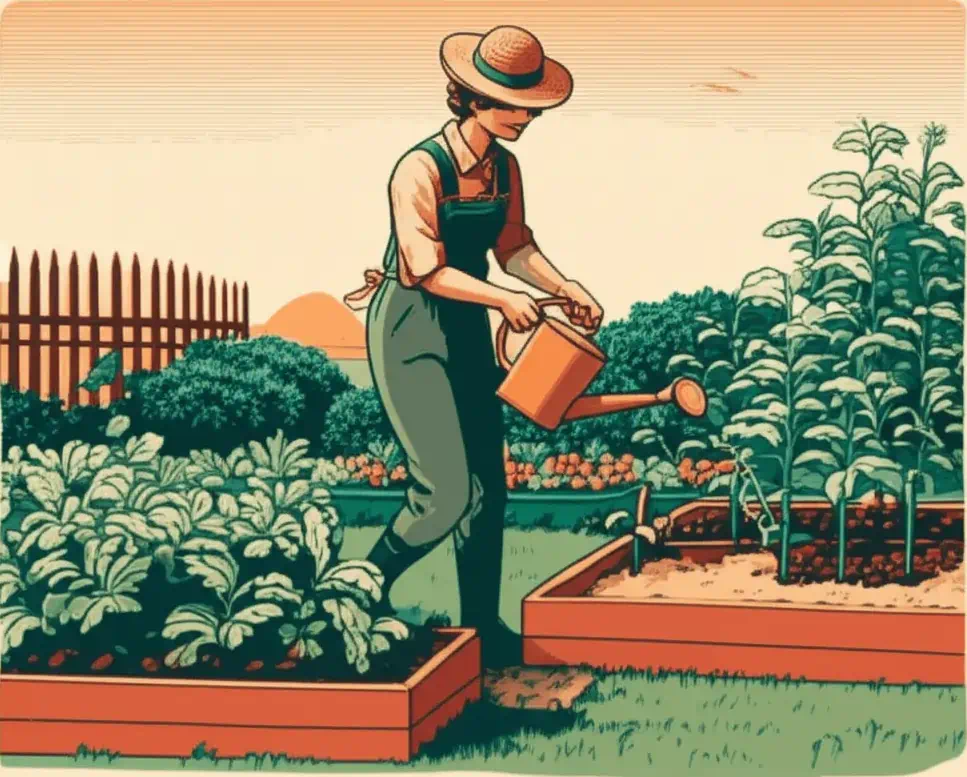
Gardening has a reputation for being a time-consuming hobby — one that demands weekends, sore knees, and an endless supply of motivation. But here's the secret that experienced gardeners know: most of the work happens upfront, and nature does the rest. With the right setup and a few smart habits, you really can maintain a thriving garden in just five minutes a day.
Here's how to make it happen.
🌱 Start Smart: Do the Hard Work Once
The biggest key to a low-effort garden is front-loading your labor. Spend a few solid hours setting things up correctly at the beginning of the season, and your daily routine becomes almost effortless.
- Choose raised beds or containers. They drain well, warm up faster, and are far easier to manage than in-ground plots. You also have complete control over your soil quality.
- Use high-quality soil from the start. Fill your beds with a mix of topsoil, compost, and aged manure. Healthy soil means healthy plants that resist pests and disease on their own.
- Mulch generously. A 2–3 inch layer of mulch (straw, wood chips, or shredded leaves) on top of your soil is one of the best investments you can make. It suppresses weeds, retains moisture, and regulates soil temperature — all without any daily effort from you.
💧 Automate Your Watering
Watering is the task that eats up the most time in a typical garden. The good news? It's also the easiest to automate.
- Install a drip irrigation system. These systems deliver water directly to the roots of your plants, reducing water waste and eliminating daily hand-watering. Many kits are inexpensive and easy to install in an afternoon.
- Add a timer. A simple hose timer costs around $20–$30 and can be a total game-changer. Set it and forget it — your garden waters itself every morning while you're still drinking your coffee.
- Group plants by water needs. Placing thirsty plants together and drought-tolerant plants together makes any watering routine more efficient.
🌿 Choose the Right Plants
Not all plants are created equal when it comes to maintenance. Lean toward varieties that are naturally resilient and low-maintenance.
- Perennials over annuals. Perennials (like lavender, coneflowers, hostas, and chives) come back every year without replanting — a huge time saver.
- Native plants. Plants native to your region are already adapted to your climate and soil. They typically need less water, fewer nutrients, and are more resistant to local pests.
- Compact or dwarf varieties. Smaller versions of vegetables and fruits (like patio tomatoes or dwarf peppers) produce well in small spaces and require less pruning and staking.
- Herbs. Herbs like basil, mint, rosemary, and thyme are incredibly forgiving, grow quickly, and reward you with something you can actually use in the kitchen.
⏱️ Your 5-Minute Daily Routine
Once your garden is set up, your daily check-in becomes a pleasant, meditative ritual rather than a chore. Here's what to do with your five minutes:
- Do a quick visual scan (1–2 minutes). Walk through your garden and look for anything out of the ordinary — yellowing leaves, wilting plants, or signs of pests. Catching problems early is the difference between a quick fix and a full crisis.
- Pull a few weeds (1–2 minutes). Thanks to your mulch, there won't be many. Pull them when they're small and young, before they establish roots or go to seed.
- Harvest or deadhead (1 minute). Snip off spent blooms to encourage new growth, or harvest anything that's ready. This keeps your plants productive and your garden looking tidy.
That's it. You're done for the day.
🏆 Bonus Tips for Maximum Efficiency
- Keep your tools clean and close. A dedicated spot for your gloves, snips, and trowel means you're not wasting time searching when you only have five minutes to spare.
- Compost with a bin. A covered compost bin right next to your garden lets you toss kitchen scraps in as you pass by. In a few months, you'll have free, rich fertilizer with almost zero effort.
- Use self-watering containers. These have a built-in reservoir that feeds water to the roots as needed — perfect for herbs and smaller vegetables on a patio or balcony.
- Keep a small garden journal. Jotting down one or two quick observations each day (what's blooming, what needs attention, what worked last year) takes 30 seconds and will make you a smarter, more successful gardener over time.
- Don't aim for perfection. A slightly imperfect garden that you actually enjoy is infinitely better than a pristine one that stresses you out.
🌻 The Bottom Line
A thriving garden doesn't require hours of daily labor — it requires thoughtful planning and the right systems. When you invest in good soil, smart plant choices, and simple automation, your garden largely takes care of itself. Your five minutes each day becomes less about maintenance and more about connection — a quiet moment to check in with the living, growing things you've cultivated.
And honestly? That's the best part of gardening anyway.
Happy growing! 🌿